
Granite (Natural Stone in general) vs. Quartz (Manufactured Stone) Countertops: Understanding the Key Differences
When it comes to choosing the perfect countertop for your home or business, granite and quartz are two of the most popular materials on the market. Both offer exceptional beauty, durability, and value—but they differ in composition, maintenance, appearance, and performance. Understanding these differences can help you make the right decision for your space, lifestyle, and budget.
What Is Granite?
Granite is a natural stone that is quarried directly from the earth, cut into slabs, and polished for use in kitchens, bathrooms, and other surfaces. Each slab of granite is completely unique, showcasing natural veining, mineral patterns, and color variations formed over millions of years.
Key Features of Granite:
100% natural material
Unique, one-of-a-kind appearance
Heat and scratch resistant
Available in a wide variety of colors and patterns
Because granite is porous, it requires sealing to protect against stains and moisture. When properly maintained, it can last a lifetime.
What Is Quartz?
Quartz countertops are engineered stone surfaces, made from approximately 90–95% crushed natural quartz combined with resins and pigments. This manufacturing process creates a non-porous, highly consistent material.
Key Features of Quartz:
Engineered for consistency in color and pattern
Non-porous surface
Low maintenance
Highly durable and resistant to stains
Quartz offers a more uniform look, making it a popular choice for modern and contemporary designs.
Appearance: Natural Beauty vs. Consistency
One of the biggest differences between granite and quartz is how they look.
Granite: Features natural veining and color variation. No two slabs are the same, making it ideal for homeowners who want a truly unique surface.
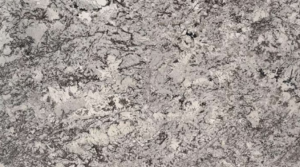
Granite – Delicatus White
Quartz: Offers consistent patterns and colors. It can mimic the look of natural stone or provide a clean, uniform appearance. The quartz production technology hassignificantly improved over the years, and printed quartz closely resembles natural stone.

MSI Surfaces – Ivory Taj Quartz
If you’re drawn to organic, unique, natural aesthetics, granite may be the better option. If you prefer a more controlled consistent design and low maintenance, then quartz is an excellent choice.
Durability and Performance
Both materials are known for durability, but they perform differently under certain conditions.
Granite:
o Extremely heat resistant
o Scratch resistant, but can chip if hit with heavy force
o Requires periodic sealing
Quartz:
o Highly resistant to stains and scratches
o Not as heat resistant as granite (direct heat can damage resins)
o No sealing required
Quartz is often preferred for busy households due to its ease of care, while granite is ideal for those who frequently cook with hot cookware.
Maintenance and Care
Maintenance is an important factor when choosing a countertop material.
Granite Maintenance:
o Needs sealing once a year (sometimes less depending on color and
use)
o Requires prompt cleanup of spills to prevent staining
o Easy to clean with mild soap and water
Quartz Maintenance:
o Virtually maintenance-free
o No sealing required
o Simple cleaning with soap and water
If you’re looking for a low-maintenance option, quartz is the clear winner.
Cost Comparison
The cost of granite and quartz can vary depending on quality, color, and availability, but they are generally comparable.
Granite may vary more in price due to rarity and natural sourcing
Quartz pricing is usually more consistent due to manufacturing
Installation costs for both materials are similar, as each requires professional fabrication and installation.
Which One Is Right for You?
Choosing between granite and quartz ultimately comes down to your personal preferences and lifestyle.
Choose Granite if you:
Love natural, one-of-a-kind aesthetics
Want high heat resistance
Don’t mind occasional maintenance
Choose Quartz if you:
Prefer a consistent, repetitive look
Want a non-porous, low-maintenance surface
Need extra resistance to stains and bacteria
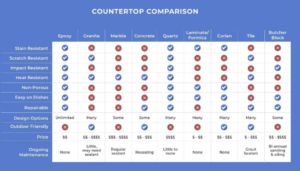
Both granite and quartz countertops offer exceptional value, durability, and visual appeal. Whether you’re renovating your kitchen, upgrading a bathroom, or designing a new space, understanding the differences between these materials ensures you’ll make a confident and informed decision.
If you’re still unsure which option is best for your project, working with a professional can help you explore samples, compare styles, and find the perfect fit for your space.